

Bouclé Fabric – Softness, Texture and Timeless Style in Upholstered Furniture
Some fabrics attract attention with their colour, while others stand out through their texture. Bouclé undoubtedly belongs to the latter category. Its distinctive, irregular surface gives even the simplest piece of furniture a unique character. Soft in appearance, expressive yet remarkably versatile, bouclé has long inspired interior designers and upholstered furniture manufacturers.
Although it is most often associated with bright, cosy interiors and rounded furniture shapes, its possibilities extend far beyond these familiar settings. Modern bouclé upholstery fabrics come in many variations, differing in loop size, texture density, weight and colour palette.
The Toptextil range includes collections that showcase different interpretations of this distinctive texture. Baloo, Sandu and Hevia are three options for those looking for upholstery materials that combine aesthetics with properties important for everyday furniture use.
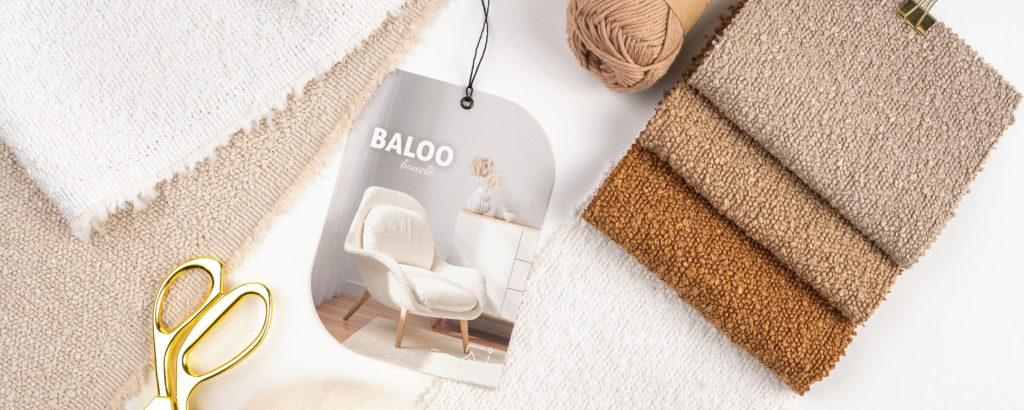
What Is Bouclé Fabric and What Makes Its Texture So Unique?
The name bouclé comes from the French word meaning “loop”. The distinctive yarn, characterised by small loops, knots and irregularities, gives this material its recognisable appearance.
Unlike smooth velvets or traditional woven fabrics, bouclé features a three-dimensional surface that can be clearly felt to the touch. Light interacts with its irregular texture, highlighting its structure and adding depth to the colours. As a result, even a single-colour bouclé fabric can look visually interesting without the need for bold patterns.
Bouclé was originally associated mainly with fashion and clothing textiles. Over time, its characteristic texture also found its place in the furniture industry, becoming a recognisable element of contemporary interior design.
Today, bouclé is not limited to one type of yarn or fibre. Modern manufacturing technologies make it possible to create fabrics with different thicknesses, textures and performance characteristics. This allows manufacturers to select a suitable material for anything from a decorative armchair to a large upholstered sofa.
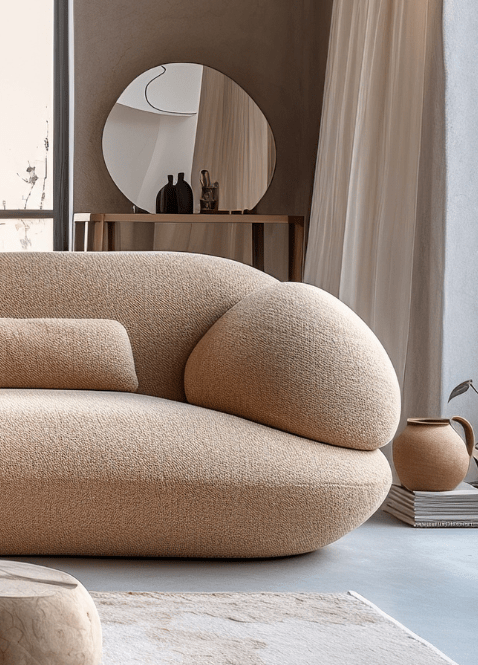
Hevia – Decorative Texture and Additional Functionality
When choosing an upholstery fabric, we increasingly consider not only its appearance but also the properties that can make a difference in everyday use.
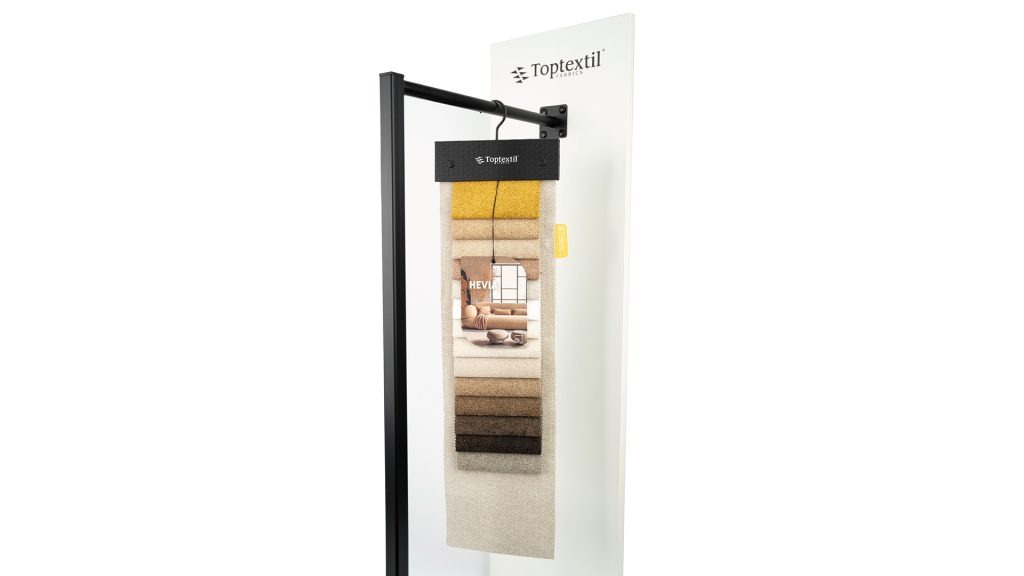
Hevia is a collection that combines an expressive surface texture with practical performance characteristics and Pet Proof technology, which increases the fabric’s resistance to snagging, including snagging caused by pets’ claws.
The fabric has a weight of 440 g/m² and is made from 100% polyester. It also achieves 60,000 Martindale abrasion cycles, an important parameter when designing furniture intended for regular use.
Hevia offers an opportunity to explore textured upholstery from a practical perspective. It is an interesting choice for projects where durability, everyday comfort and the needs of household members are just as important as visual appeal.
A wide palette of 28 colours provides considerable design freedom, from calm, neutral compositions to more expressive combinations.
Discover the Hevia collection: https://www.toptextil.pl/en/collection/hevia/
Sandu – A Subtle Interpretation of Bouclé for Modern Interiors
Not every bouclé fabric needs to feature a highly raised, dominant texture. Sandu takes a slightly different approach to this type of upholstery material, combining its characteristic three-dimensional appearance with a more understated finish.
Its matt surface and irregular texture give furniture a natural look that complements contemporary interiors. It is an excellent option for projects where subtle details, calm colours and harmony between the fabric and the furniture’s shape are essential.
Sandu works particularly well in minimalist, Scandinavian and nature-inspired interiors. Combined with light wood, warm beige tones or matt surfaces, it helps create a cohesive and welcoming atmosphere.
The collection is made from 100% polyester, has a weight of 300 g/m² and achieves 35,000 Martindale abrasion cycles. Its technical characteristics and distinctive appearance make it an interesting option for furniture manufacturers and upholsterers looking for a decorative yet understated upholstery fabric.
Explore the Sandu colour range: toptextil.pl/en/?s=sandu
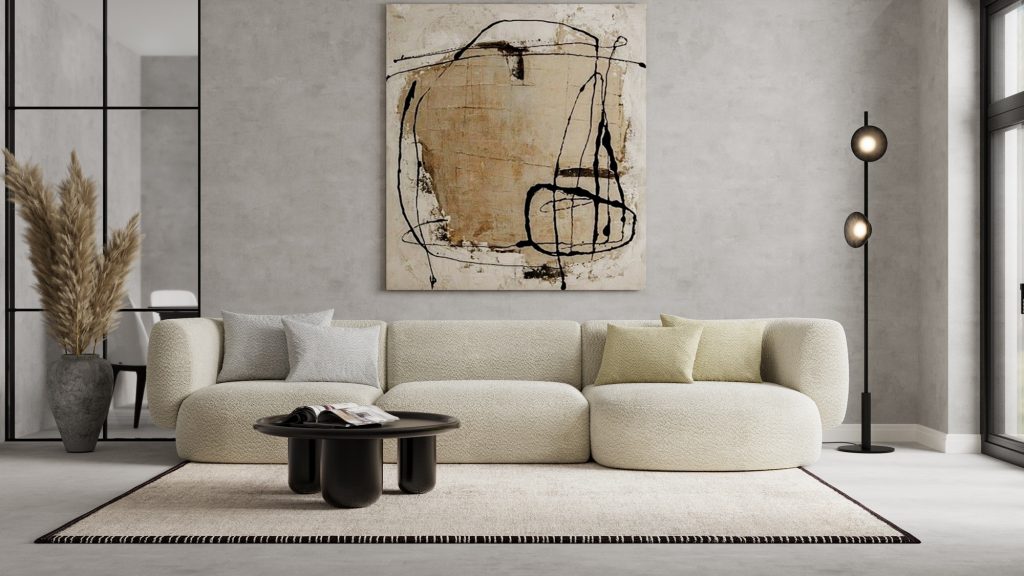
Baloo – Classic Bouclé with a Distinctive Looped Texture
The Baloo collection is designed for those who appreciate the characteristic, substantial texture of bouclé. Clearly defined loops give its surface a three-dimensional appearance, making the fabric an important element of furniture design.
Baloo stands out with its relatively high weight of 570 g/m² and a composition combining polyester, acrylic and cotton. The combination of different fibres creates a material with a distinctive, irregular appearance while maintaining good performance characteristics.
The collection is available in 20 colours, ranging from timeless shades of off-white, beige and grey to more expressive tones. This versatility makes it suitable for furniture designed for calm, natural interiors as well as bolder interior concepts.
One of Baloo’s key advantages is the combination of an eye-catching texture and durability. The fabric achieves over 100,000 Martindale abrasion cycles, making this an important benefit when selecting upholstery materials for furniture.
Baloo beautifully enhances the shape of large armchairs, sofas and corner sofas, particularly those with soft, rounded lines.
Discover the Baloo collection and its colour palette: https://www.toptextil.pl/en/collection/balooboucle/
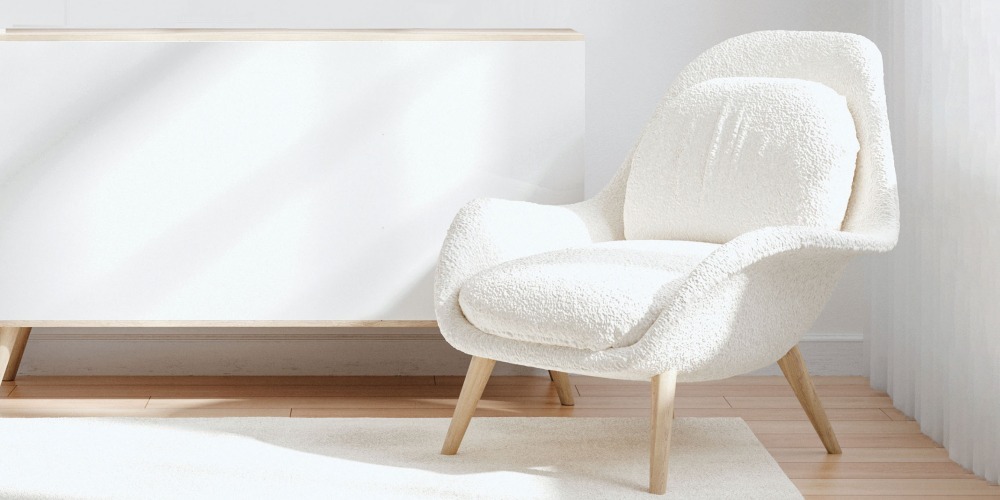
How to Choose the Right Bouclé Upholstery Fabric for a Sofa or Armchair
Choosing the right upholstery material requires considering both its visual appeal and the way the furniture will be used. Although looped and irregularly textured fabrics may appear similar at first glance, differences in their construction affect the appearance and performance of the finished furniture.
It is worth paying attention to the size and density of the loops, fabric weight, softness, elasticity and abrasion resistance. Other important parameters include pilling resistance, seam slippage and colour fastness to rubbing and light.
For furniture manufacturers and upholsterers, the fabric’s behaviour during cutting, sewing and upholstery is equally important. A large modular sofa may require different fabric characteristics than a small decorative armchair.
That is why it is worth comparing not only colour options but also physical fabric samples and technical data sheets for the selected collections.
Bouclé in Interior Design – What Materials and Styles Does It Complement?
One of bouclé’s greatest advantages is its versatility. Despite its distinctive texture, this fabric can be easily incorporated into many different interior design styles.
In Japandi and soft minimalism interiors, light shades of bouclé work beautifully alongside natural wood, simple shapes and neutral colour palettes. Retro-inspired spaces, on the other hand, can benefit from more expressive colours and rounded furniture shapes inspired by past decades.
In modern interiors, bouclé can provide an interesting contrast to smooth surfaces, geometric forms and cooler finishing materials.
When designing upholstered furniture, proportions are also worth considering. A pronounced looped texture can emphasise the character of a compact armchair, while a more subtle surface creates a calmer, more uniform appearance on a large corner sofa.
Toptextil Bouclé Fabrics – Furniture Dressed in Texture
Well-designed furniture combines a carefully considered shape, the right upholstery fabric and details that give it an individual character.
Bouclé perfectly demonstrates how much the texture of a material can influence the overall appearance of a design. Its looped, irregular surface adds softness, depth and warmth to interiors while giving designers considerable creative freedom.
The Baloo, Sandu and Hevia collections make it possible to create furniture with different personalities, from expressive, eye-catching pieces to understated minimalist designs where harmony takes centre stage.
Because well-dressed furniture is about more than choosing the right colour. It is also about texture that enhances its shape, material quality and aesthetics tailored to the space.
Discover the Toptextil collections and choose the fabric that best highlights the character of your next project.
FAQ – Frequently Asked Questions About Bouclé Fabrics
1. What is bouclé fabric?
Bouclé is a textile characterised by a distinctive, irregular surface created using looped yarn. Its three-dimensional texture gives furniture a soft, cosy and decorative appearance. Bouclé is commonly used for upholstering sofas, armchairs, corner sofas and pouffes.
2. Is bouclé fabric suitable for sofas and corner sofas?
Yes, bouclé upholstery fabric is an excellent choice for sofas, corner sofas and armchairs. It looks particularly attractive on furniture with rounded shapes, enhancing their form and creating a welcoming appearance. However, it is important to consider the fabric’s technical properties and the expected intensity of furniture use.
3. Is bouclé upholstery fabric durable?
The durability of bouclé fabric depends on its composition, construction and technical characteristics. For example, Toptextil collections differ in abrasion resistance, fabric weight and surface texture. When choosing bouclé for upholstered furniture, it is therefore worth checking its test results, including Martindale abrasion resistance, and the properties of the specific collection.
4. Is bouclé fabric still fashionable?
Bouclé has maintained a strong presence in furniture and interior design trends for several seasons. Its distinctive texture complements Japandi, Scandinavian, soft minimalism and contemporary interior styles. Thanks to its versatility and wide range of colours, bouclé remains an attractive choice for timeless furniture designs.
5. Is bouclé fabric suitable for homes with pets?
The suitability of bouclé for homes with pets depends on the construction of the specific fabric. Pronounced or loosely formed loops may be more susceptible to snagging from pets’ claws. It is therefore worth choosing upholstery fabrics with tested resistance to snagging, while remembering that no material is completely resistant to mechanical damage.
6. How should bouclé upholstery fabric be cleaned and maintained?
Bouclé fabric should be vacuumed regularly using a soft upholstery attachment to remove dust and small particles that can accumulate between the loops. In the event of stains, always follow the manufacturer’s care instructions for the specific collection. Avoid excessive rubbing, as this may affect the appearance of the fabric’s characteristic texture.
7. What is the difference between bouclé and velvet?
The main difference lies in their surface structure. Velvet has a short, soft pile that often reflects light, while bouclé features a more three-dimensional, looped and irregular texture. Both fabrics are widely used in furniture upholstery, but they create very different visual effects.
8. Which bouclé fabric colours work best in modern interiors?
Cream, beige, ecru, grey and warm brown tones work particularly well in modern interiors. Light-coloured bouclé enhances the softness of upholstered furniture and creates a harmonious atmosphere, while darker shades can add depth and a more distinctive character. The final choice depends on the interior design concept and the other finishing materials used.
9. Does bouclé fabric pill?
Like other upholstery materials, bouclé may be susceptible to pilling, which is the formation of small fibre balls on the fabric’s surface. The degree of pilling depends on the yarn type, fabric construction and conditions of use. It is therefore worth checking the pilling resistance test results for the selected collection.
10. Which bouclé upholstery fabrics are available from Toptextil?
The Toptextil range includes various upholstery fabrics with decorative, irregular textures, including the Baloo, Sandu and Hevia collections. They differ in surface appearance, fabric weight, colour range and performance characteristics. This allows furniture manufacturers, upholsterers and interior designers to select the most suitable material for their specific projects.
11. Do all bouclé fabrics have the same texture?
No. Bouclé fabrics can vary in loop size, texture density, thickness and softness. Some have a pronounced, highly raised surface, while others feature a more subtle and compact texture. These differences make it possible to match the fabric to various furniture designs and interior styles.
12. Which types of furniture look best in bouclé fabric?
Bouclé works particularly well on furniture with soft, rounded shapes, including curved sofas, armchairs, corner sofas and pouffes. Its three-dimensional texture adds depth and creates a more inviting appearance. Bouclé can also provide an interesting contrast to simple, geometric furniture designs.